Supported Living
Your own home, your own choices — with the support you need to make community living work.
What it is
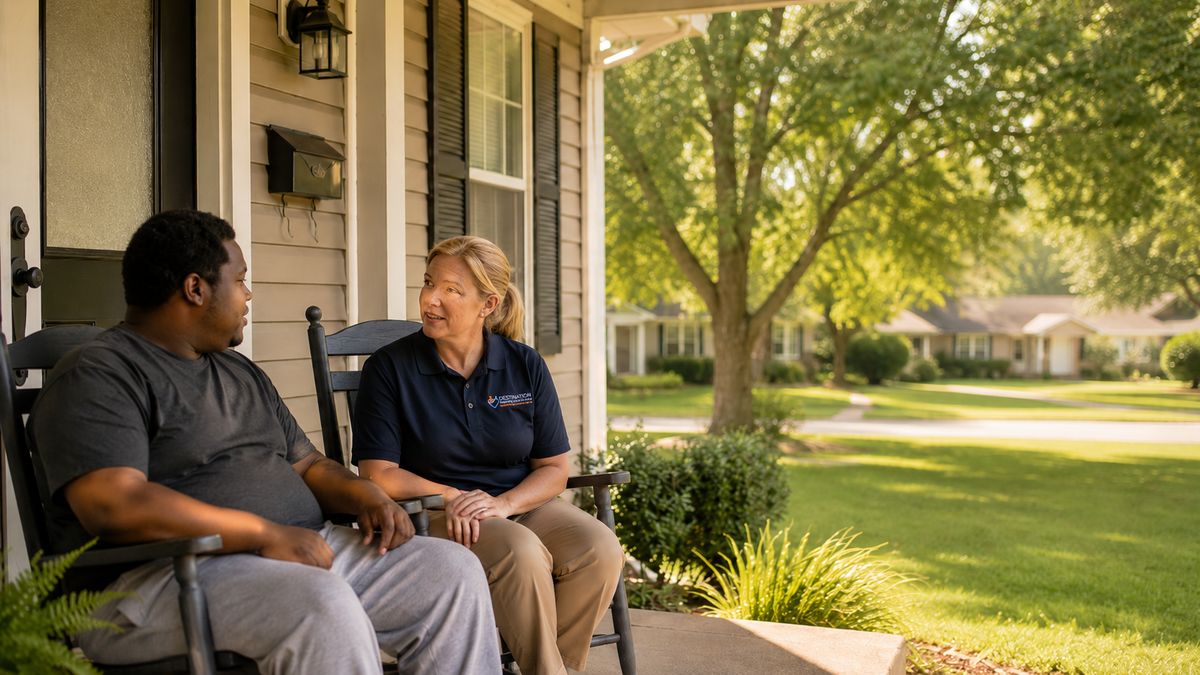
Supported Living is built around one idea: the person is in charge. You choose where you live, how you live, and who you live with — and our team is there with the support that makes it work. It's real independence, backed by the clinical expertise DHS is known for, so that living on your own never means being on your own.
Who it's for
- Adults who want to live in their own home or apartment
- People who want maximum choice and control over their daily life
- Individuals building toward long-term, independent community living
- People who are ready for more independence than a staffed group home, but still want reliable support
What's included
- Help finding, setting up, and settling into a home or apartment
- Flexible daily support — on the days and hours the person needs it
- Personal care and household support
- Transportation to work, healthcare, and community activities
- Help managing health, medications, and appointments
- Skill-building toward greater independence
- Clinical oversight and behavioral support when needed
What this supports
- Real ownership over where and how a person lives
- A home that is genuinely the person's own
- Long-term, person-centered support that grows with them
- Independence with a safety net that doesn't disappear
How to get started
- 1
Reach out. Call us at 615-502-0525 or use the referral form. Tell us about the person and the kind of independent living they're looking for.
- 2
Free eligibility check. We'll help determine whether Supported Living is the right fit and walk you through the funding pathways (like ECF CHOICES) that apply — no cost, no obligation.
- 3
Assessment and planning. If it's a match, we work with the person, their family, and the care team to complete intake and build a Person-Centered Support Plan around their goals.
- 4
Set up the home. We help the person find and set up a home or apartment that fits their needs and preferences.
- 5
Begin support. Services begin, and plans are reviewed regularly so support grows and adjusts as the person's independence grows.
Frequently asked questions
- Does the person sign their own lease?
- Yes. In Supported Living, the person (or their conservator, if applicable) holds the lease and keeps control over day-to-day decisions about their home.
- How is this different from Community Living Support (CLS)?
- CLS is a DHS-operated home with staff on site 24/7, built for people with the most complex medical and behavioral needs. Supported Living is for people ready for more independence — they live in their own home and receive flexible support based on what they need.
- Can the person choose who they live with?
- Yes. The person chooses their housemates, with help from our team if they want it. We plan for compatibility.
- What if the person wants to move?
- Choice is central to this model. We support moves whenever the person wants to make a change.
We respond within one business day.
Home & Residential Support
Start a referral for Supported Living
Tell us about the person you're calling for — our intake team responds in under 24 hours.
Not sure about eligibility? Take the free ECF CHOICES check